Finding Your First Volunteer Role — Where to Start in Ireland
A practical walkthrough of discovering local opportunities through community centres and charities.
Three ways helping others strengthens your sense of self-worth. You’ll recognize yourself in these stories from Dublin to Cork.
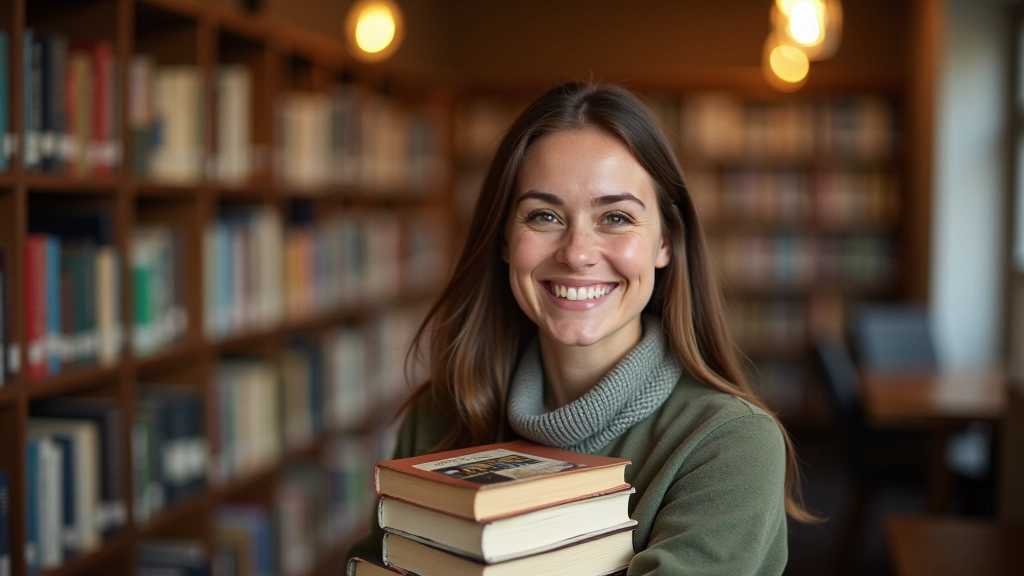

You walk into a community centre for the first time. You’re nervous. Maybe you don’t know what you’re doing. But something shifts when you’re actually helping someone. It’s not just about the hours you put in — it’s about what those hours do to your confidence.
We’ve watched this happen across Dublin, Cork, Galway, and beyond. People who start volunteering often tell us the same thing: “I didn’t expect this to change me.” They’re talking about something deeper than a good feeling. They’re describing real shifts in how they see their own capabilities and worth.
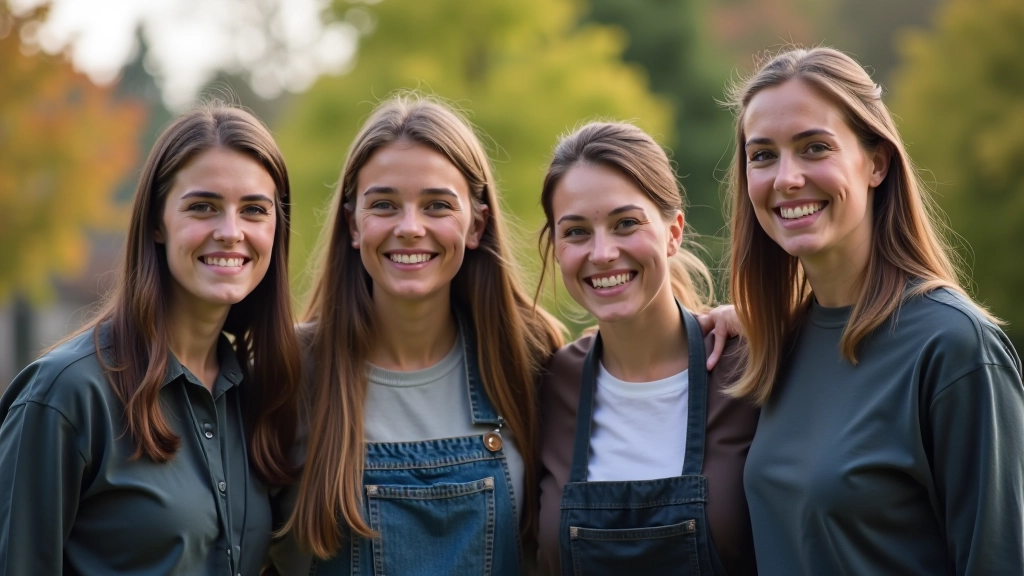
Most people underestimate themselves. You might think you’re not good at organizing, teaching, or managing. Then you volunteer. And suddenly you’re running a workshop, mentoring a younger person, or coordinating an event. The skills were always there — volunteering just brings them to the surface.
Sarah, who volunteers at a literacy programme in Cork, didn’t think she was a teacher. “I was just helping kids read,” she said. But after three months of working one-on-one with students, she realized she had patience, the ability to break things down clearly, and genuine interest in seeing people improve. Now she’s confident in situations she’d have avoided before.
This isn’t just about feeling good. It’s measurable. You complete tasks you weren’t sure you could do. You solve problems. You handle challenges. Each time you do, your confidence grows. It’s real progress.
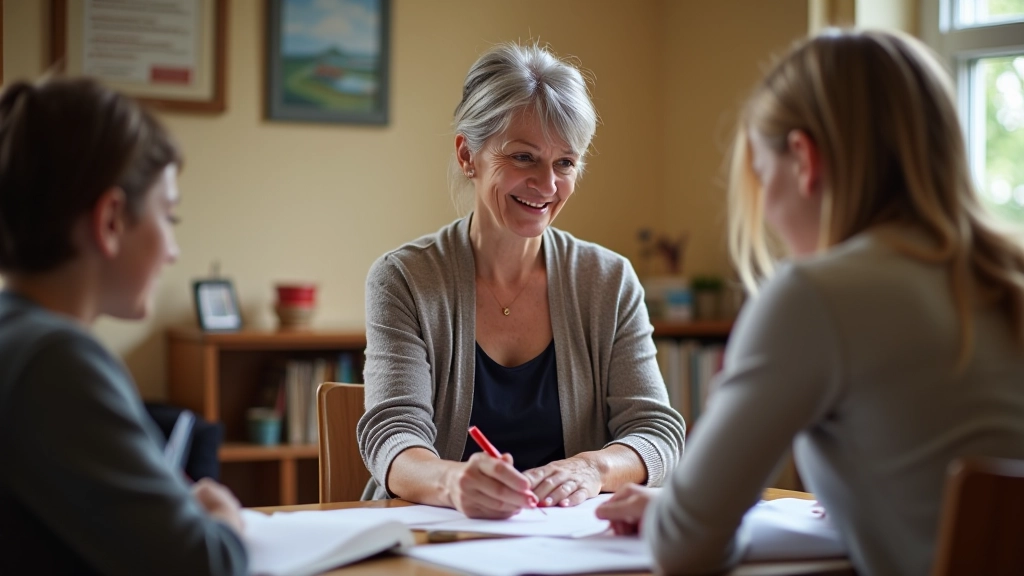
You start with a simple task. You complete it successfully. You’re asked to do something slightly harder. You manage that too. Over weeks and months, you’re doing things that would’ve seemed impossible when you started. This repeated success rewires how you see your own abilities.
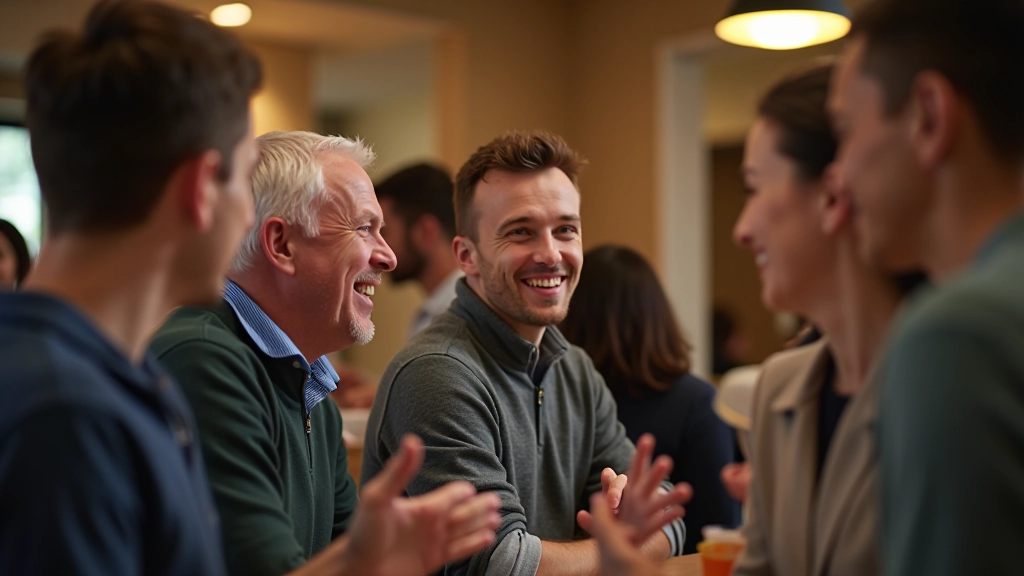
Purpose isn’t something you inherit. It’s something you build. And it’s hard to feel purposeful when you’re just existing. But when you’re actively helping someone — tutoring a student, supporting an elderly person, cooking at a community meal — you see the impact immediately.
Declan volunteers at a food bank in Dublin two evenings a week. “At my job, I never know if what I do actually matters,” he explained. “But here, I see families who need the food we’re distributing. I can see the difference. That’s something I was missing.” Purpose came from visibility. He could point to exactly what he’d done and who it helped.
This matters psychologically. When you know your actions have real consequences, you stop questioning whether your time is worth something. You know it is. That’s powerful for self-worth.
The difference between feeling useful and feeling like you matter is seeing the outcome. Volunteering makes outcomes visible. That visibility transforms how you see yourself.
Isolation kills confidence. But volunteering puts you in rooms with other people who care about the same things. You’re part of a community. You’re not just helping — you’re building relationships with people who value what you’re doing.
These aren’t transactional relationships. They’re real connections. You show up, you work alongside people, you celebrate when something goes well. Over time, you become someone people recognize, rely on, and genuinely like. That belonging matters enormously for confidence.
Most volunteers we’ve worked with mention this. “I came for the work,” they say, “but I stayed for the people.” That shift — from task-focused to community-focused — is where deep confidence develops. You’re no longer just doing something. You’re someone within a community that values you.
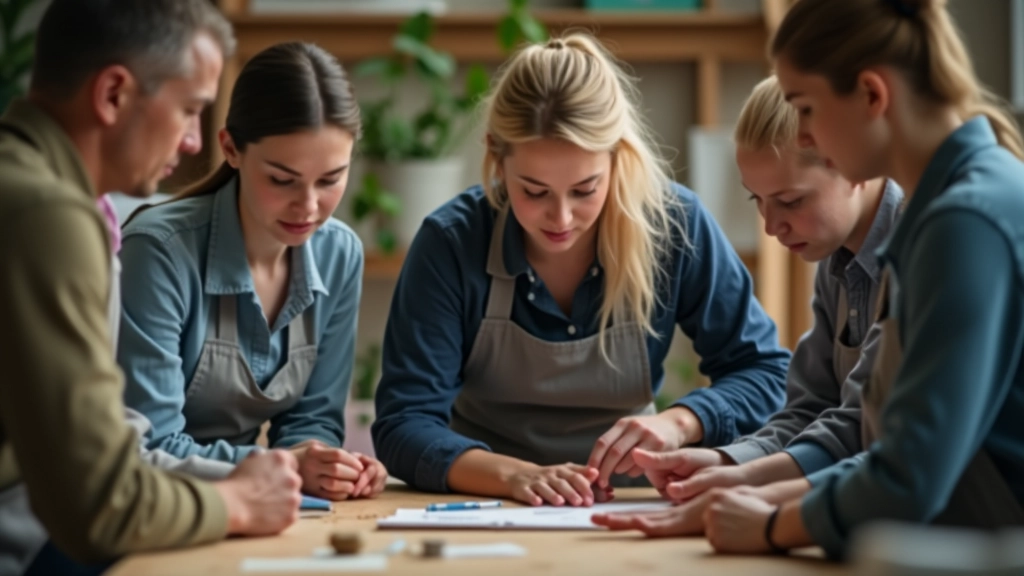
This article is educational and informational. It explores research-backed benefits of volunteering and real experiences from volunteers across Ireland. Experiences vary by individual, organisation, and volunteer role. If you’re considering volunteering, connect with local charities or community centres to find opportunities that match your interests and circumstances.
You don’t need special skills or years of experience to volunteer. You don’t need to know exactly how you’ll grow or what you’ll discover about yourself. You just need to show up and do the work.
The confidence comes later. It comes from realizing you’re capable of more than you thought. From seeing that your time actually matters. From being part of something real with people who value your presence.
If you’re in Ireland and looking to start, community centres, local charities, and volunteer networks in every county have opportunities waiting. You might be surprised at who you become.