
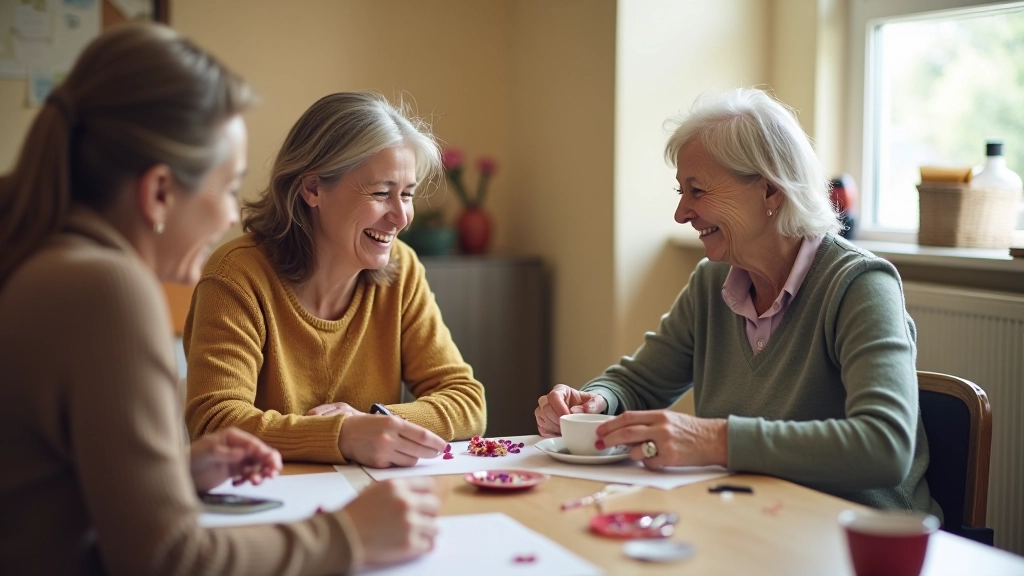
Finding Your First Volunteer Role — Where to Start in Ireland
A practical walkthrough of discovering local opportunities through community centres, charities, and volunteer networks. We’ll show you what to expect on day one.
Read ArticleDiscover how helping your community strengthens your purpose, builds real friendships, and reshapes your perspective.
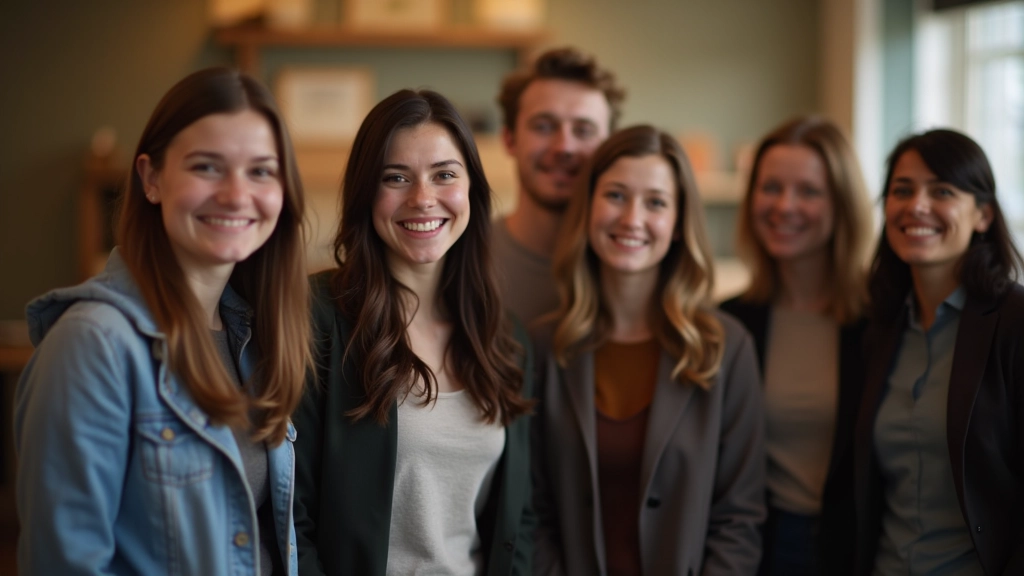
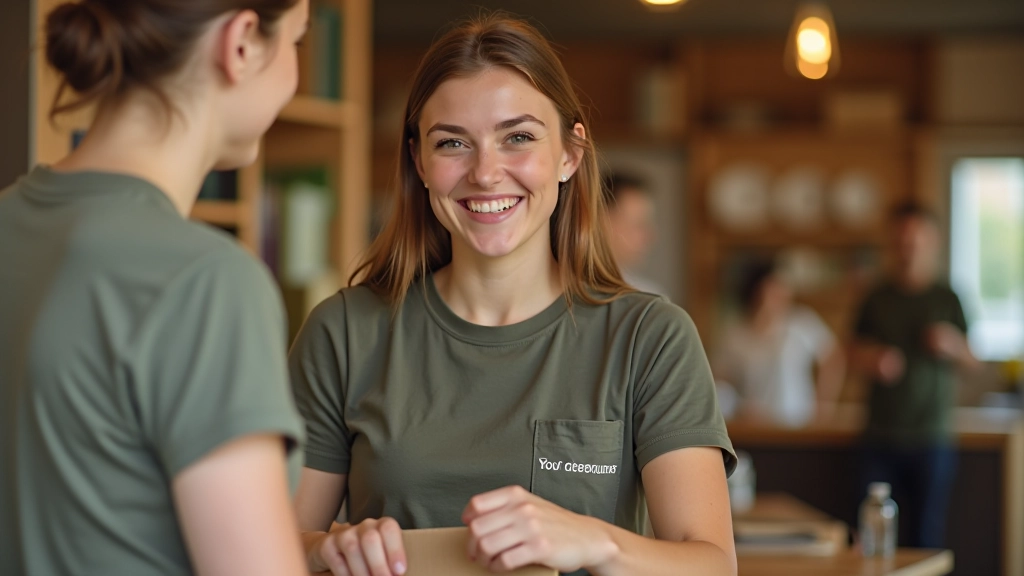
It’s not just about helping others — though that matters. When you volunteer, something shifts inside you. You’re suddenly part of something bigger than yourself, working alongside people you’d never have met otherwise. Your skills matter. Your time matters. You matter.
Communities across Ireland — from Dublin to Cork, from small village centres to city charities — need people like you. And honestly, you’ll get more back than you give. Better friendships, clearer purpose, and a genuine sense of gratitude for what you have.
Learn Our StoryFour stages of growth, from first steps to lasting impact
Find volunteer roles through community centres and charities near you. No experience needed — just willingness.
Your first weeks matter. Real coaching, real support, real people who appreciate what you’re doing.
Friendships develop naturally when you work toward something meaningful together. Shared purpose creates lasting bonds.
Notice how your perspective shifted. Gratitude deepens. You understand yourself and your community differently.
Beyond the obvious good feeling
Helping others directly shows you what matters. Your self-worth stops being theoretical — it’s real and grounded in action.
You’ll meet people you wouldn’t encounter in your normal circles. Shared work creates bonds that last beyond volunteering.
You see your community differently. Challenges become clearer. Gratitude for small things grows stronger. Your worldview expands.
Search local charities and community centres in your area
Pick a role that matches your interests or skills
Show up. Meet your team. Start contributing.
Notice how it changes you over weeks and months
We believe everyone has something to give. Your time, your skills, your presence — they’re valuable. In Ireland, we’ve got thousands of communities waiting for people willing to show up. Not because they’re desperate, but because they know that volunteers aren’t just filling gaps. They’re changing the entire culture of what community means.
When you help someone else, you’re not doing charity. You’re building the kind of society where people actually know their neighbours. Where young people see that contribution matters. Where adults rediscover purpose they thought they’d lost. That’s not about feeling good — it’s about creating real change, starting with yourself.
We’re here to connect you with opportunities where your effort counts. Where you’ll meet people who share your values. Where a few hours a week becomes the most meaningful part of your month. That’s the volunteer journey we’re supporting.
Real experiences from people like you
A practical walkthrough of discovering local opportunities through community centres, charities, and volunteer networks. We’ll show you what to expect on day one.
Read Article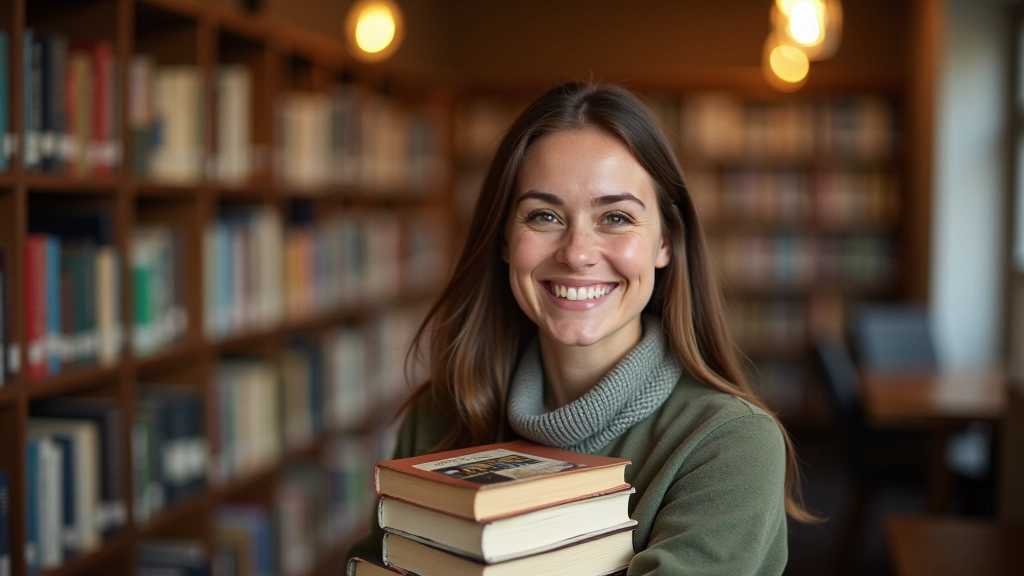
Three ways helping others strengthens your sense of self-worth. You’ll recognize yourself in these stories from Dublin to Cork.
Read Article
Why shared volunteer experiences create stronger bonds than typical social circles. We talked to volunteers about the friendships they’ve made.
Read ArticleWhether you’ve got a few hours a week or you’re ready for deeper commitment, there’s a volunteer role waiting for you. Connect with us to find the right opportunity for your skills and schedule.