


When Hunger Isn’t Really Hunger
Most people can’t tell the difference between physical hunger and emotional hunger. You’ll feel it in your stomach — that tight, empty feeling — and assume you need food. But here’s the thing: that feeling might not be hunger at all.
Emotional hunger comes fast. It’s sudden. One minute you’re fine, the next minute you’re standing in front of the fridge even though you ate lunch two hours ago. Physical hunger builds gradually. Your energy dips. Your concentration gets harder. You might feel a little shaky or irritable.
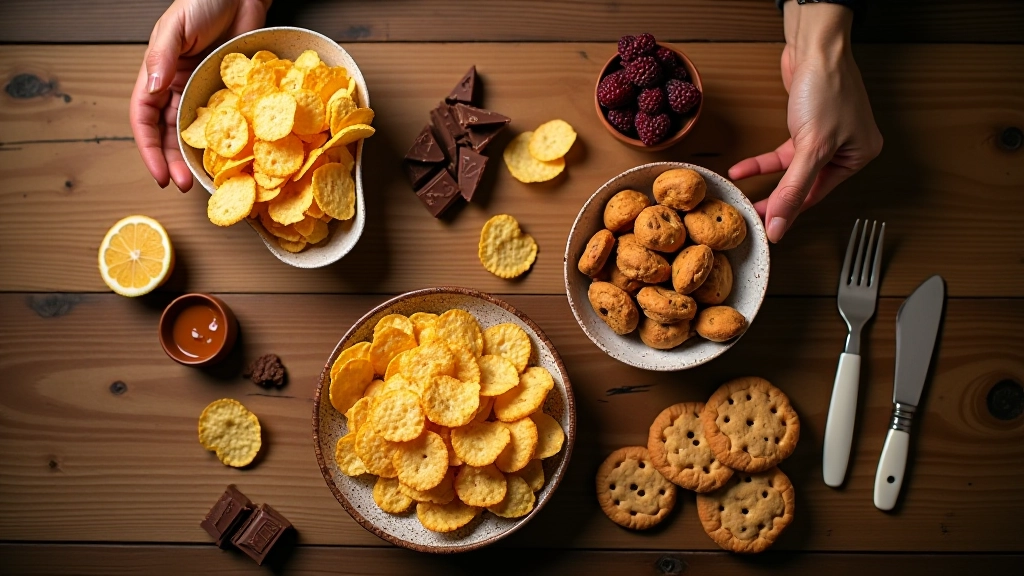
When you’re stressed or bored, your brain releases cortisol. That hormone makes you crave comfort foods — usually the salty, sugary, crunchy stuff. Your body isn’t asking for nutrition. It’s asking for a dopamine hit, a distraction, something to soothe the uncomfortable feeling you’re having right now.
The Three Main Emotional Triggers
Stress & Anxiety
Work deadlines, family tension, or just that background worry. You’re not hungry — you’re uncomfortable and looking for relief.
Boredom & Restlessness
You’re not tired, not interested in anything, just… stuck. Eating becomes the default activity to fill the emptiness.
Loneliness & Avoidance
Sometimes it’s about not wanting to feel what you’re feeling. Food becomes a way to numb out, to avoid sitting with difficult emotions.

The Pause Before the Reach
Here’s what actually changes things: learning to pause. Not forever, not to deny yourself food. Just a few seconds to notice what’s happening.
When you feel the urge to snack, stop. Take three deep breaths. Ask yourself: “Am I physically hungry, or am I feeling something else?” You don’t need the perfect answer. You’re just creating space between the impulse and the action.
This pause is powerful because it gives your brain time to catch up. That automatic reach-for-the-biscuits response? It happens in seconds. But actual awareness — that takes a moment to arrive. Most people find that if they wait just 30 seconds, the urgency shifts.
What You Actually Need Instead
Once you’ve paused and noticed, you can ask the real question: “What do I actually need right now?” Not in a judgmental way. Not “I shouldn’t eat this.” Just honest curiosity.
If it’s stress, maybe you need a walk. If it’s boredom, maybe you need five minutes doing something engaging. If it’s loneliness, maybe you need to text someone or sit outside for a bit. Food might still be the answer sometimes, and that’s fine. But it’s a choice now, not an automatic response.
The shift happens when you get curious instead of critical. You’re not “bad” for wanting to snack when stressed. Your brain is trying to help. It just doesn’t know the best way. By noticing the pattern — stress comes, urge arrives, snacking follows — you’re already rewiring how you respond.

“The goal isn’t to never want comfort food. It’s to know why you want it and to choose consciously. That’s where freedom actually lives.”
Building Your Awareness Practice
You won’t get this right every time. Sometimes you’ll reach for the biscuits and realize only halfway through that you weren’t hungry. That’s okay. That’s still awareness.
The practice works like this: Each time you snack, just notice. Did you eat because you were hungry? Or because you were stressed, bored, tired, avoiding something? There’s no “good” or “bad” answer. You’re just collecting information about yourself.
After a few weeks of noticing, patterns emerge. You’ll see that Tuesday afternoons are always stressful and you always want chocolate. Or that Sunday evenings when you’re alone, you snack without thinking. Once you see the pattern, you can actually plan something different. But first, you have to notice.
Making It Practical
Here are a few concrete things to try this week:
- When you want to snack, pause. Take three breaths. Ask: “What am I actually feeling?”
- Keep a small notebook. Write down what you ate and what you were doing or feeling. No judgment. Just facts.
- Notice if you eat faster when stressed. Slowing down — even just a little — gives your brain time to catch up.
- Have one alternative activity ready for your most common trigger. If it’s stress, maybe it’s a five-minute walk. If it’s boredom, maybe it’s calling a friend.
- Don’t ban any foods. Restriction creates more urgency, more emotion around eating. You’re learning awareness, not willpower.
The real shift isn’t about eating less. It’s about understanding why you eat what you eat. That understanding — that’s where actual change lives.

About This Article
This article is for educational purposes and shares information about emotional eating patterns and mindfulness approaches. It’s not a substitute for professional mental health support. If you’re struggling with disordered eating patterns, anxiety, depression, or food-related distress, please consult with a healthcare provider, therapist, or registered dietitian. Everyone’s relationship with food is unique, and circumstances vary widely. What works for one person may not work for another.
Start With Noticing
You don’t need to change anything overnight. The first step is just noticing. Notice when you reach for food. Notice what you’re feeling. Notice if you’re actually hungry or if something else is going on. That awareness, that simple act of paying attention — that’s where everything begins.
The next time you feel that urge to snack, pause for three seconds. Take a breath. Notice what you’re really feeling. That’s it. That’s the practice. And it’s enough.